
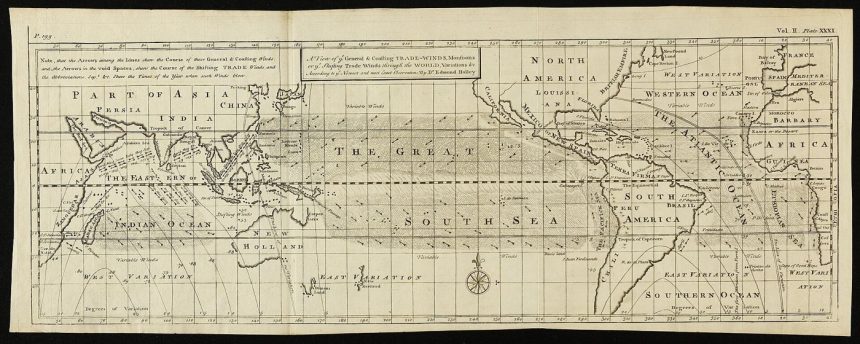
Global shipping runs on a map that no longer exists. The industry’s mental model — containers flowing through the Suez Canal, the Panama Canal and a handful of calm straits on predictable schedules — has been replaced by something more expensive and more resilient: longer routes around Africa, drought-restricted canal transits, buffer stocks at destination warehouses, and contracts rewritten to share the risk of delay. For readers of our trade and logistics coverage, the question has shifted from when things return to normal to what the new normal costs.
The numbers tell a story of absorption. Freight rates spiked when the detours began, then settled as carriers ordered record numbers of new ships and shippers adjusted. Transit times from East Asia to Northern Europe lengthened by roughly ten days on the water, plus whatever congestion waited at the far end. Companies responded the way they did after the pandemic: ordering earlier, holding more stock, and qualifying second suppliers in different regions — paying, in effect, an insurance premium on every container.
Ports and Corridors Rush to Fill the Gaps
Every disruption creates winners. Transshipment ports on the new routes have posted record volumes, rail corridors across Central Asia carry freight that once went by sea, and ‘nearshoring’ — moving production closer to customers in Mexico, Eastern Europe and North Africa — has moved from conference talk to signed factory leases. Data from the UN’s trade and transport body, UNCTAD, shows total seaborne trade still growing through the disruption, a fact that surprises people who predicted collapse.
The Price Tag Lands Quietly
The Carbon Cost of Going the Long Way
The detour era has an environmental ledger that the industry prefers not to headline. Longer routes burn more fuel per container — the Cape of Good Hope diversion adds roughly a third to a typical Asia–Europe voyage’s emissions — and the speed increases carriers use to recover schedule burn more again. Shipping’s efficiency gains of a decade are being partly spent on geography. The counterweights are real but slower: new vessels arriving with dual-fuel engines, wind-assist experiments moving from trials to orders, and slow-steaming adopted on the routes where schedules allow it.
Regulators are unlikely to grant a permanent exemption for bad luck. Carbon pricing for shipping is tightening in European waters and global talks continue, which means the detour premium may soon carry a carbon line item visible in every freight invoice. An industry that redrew its map for security reasons will have to redraw parts of it again for emissions — and the shippers who modelled flexibility as a permanent capability, rather than a crisis response, will find the second redrawing much cheaper than the first.
None of this is free, but the cost arrives diluted — a little on freight, a little on warehousing, a little on the shelf price spread across thousands of products. Shipping executives privately doubt the old routes will fully reclaim their traffic even if security improves; too much money has been invested in the alternatives. The map has been redrawn. The industry is learning to sail by the new one.