

Few areas of health science have attracted more excitement — or more marketing — than the gut microbiome, the trillions of microbes inhabiting the digestive tract. Genuine discoveries have accumulated rapidly: gut microbes train the immune system, produce vitamins and short-chain fatty acids, influence drug metabolism and communicate with the brain along pathways researchers are still mapping. Around those solid findings has grown a commercial ecosystem of tests and supplements whose claims frequently gallop years ahead of the evidence.
What Is Actually Established
What is established deserves stating plainly. A diverse, fibre-fed microbiome is associated with better metabolic and immune outcomes across many studies. Antibiotics disrupt microbial communities, sometimes for months, which is one more reason to use them only when needed. Faecal transplants are a proven, sometimes life-saving treatment for one specific recurrent infection. Diet changes alter the microbiome measurably within weeks, and fermented foods increased microbial diversity and lowered inflammation markers in a controlled Stanford trial.
The hype begins where association is sold as causation and where a personal microbiome snapshot is sold as a diagnosis. Consumer tests can list microbes but cannot yet tell most customers anything clinically actionable, since healthy microbiomes vary enormously between individuals and even within one person over time. Most probiotic supplements show modest, strain-specific effects at best, and the organisms in the capsule often do not colonise the gut permanently — a fact the marketing rarely emphasises. Further background is available in our health coverage for readers following this story.
Where the Hype Runs Ahead
Researchers themselves supply the corrective. The field’s leaders caution that microbiome medicine is where genetics was twenty years ago: powerful associations, emerging mechanisms and a long road to routine clinical tools. The promising frontiers are specific — engineered bacteria that deliver drugs, microbiome-based therapies for inflammatory bowel disease and metabolic conditions, and diagnostics for colorectal cancer — and each must pass the same trials demanded of any other medicine, with several notable failures already recorded along the way.
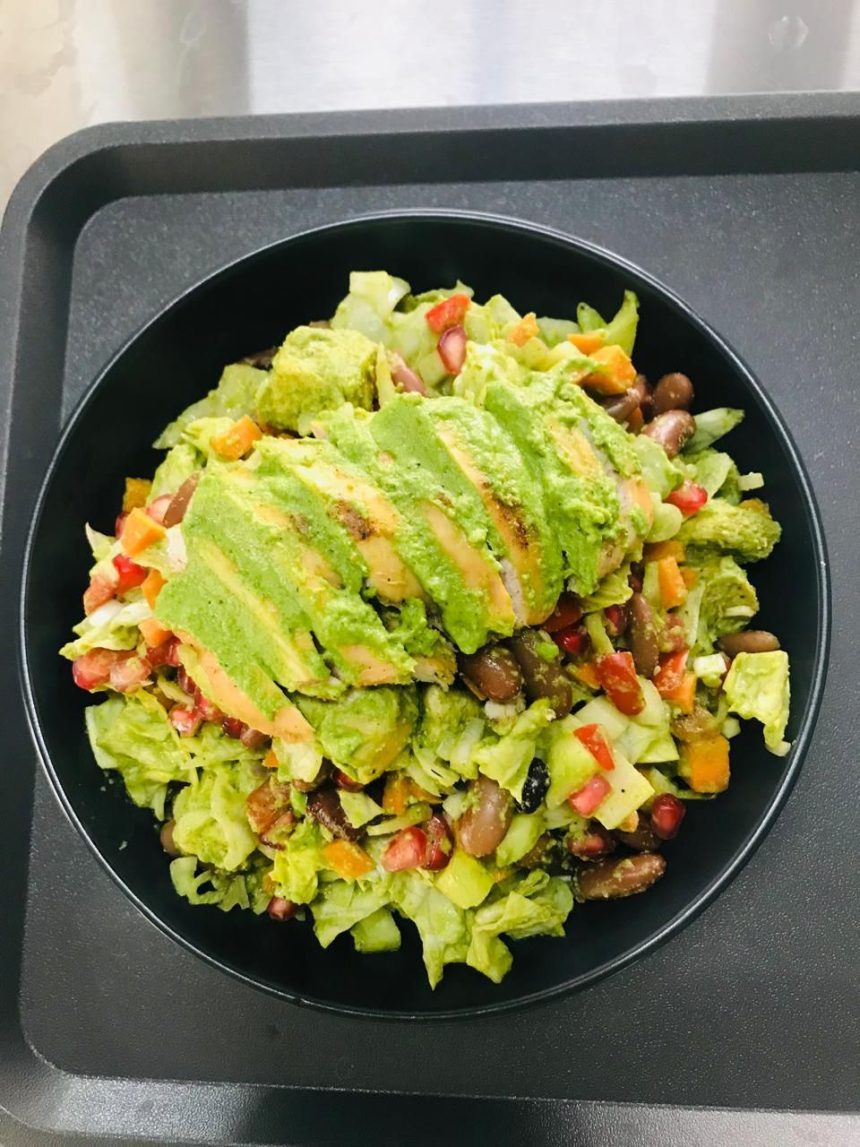
The sensible steps available today are unglamorous and effective. Eat a wide variety of plant foods — the target used in large cohort studies is around thirty different plants a week, counting vegetables, fruits, grains, legumes, nuts, herbs and spices — since diversity of fibre feeds diversity of microbes. Include fermented foods if you enjoy them. Treat antibiotics as valuable and finite. Sleep, exercise and stress all show measurable microbial associations too, through routes researchers are still untangling. Additional reporting from Nature Microbiome provides further detail on the background.
Sensible Steps Today
None of this diminishes the science, which is genuinely among the most exciting in modern biology. It merely insists on the distinction between a field’s frontier and its settled ground. The gut will very likely yield real medicines; in the meantime it mostly yields the oldest advice in nutrition, now with better mechanisms attached — eat plants, vary them, and be suspicious of anyone selling certainty about your microbes. Further updates will follow as official data and responses from those directly affected become available through the usual channels.