

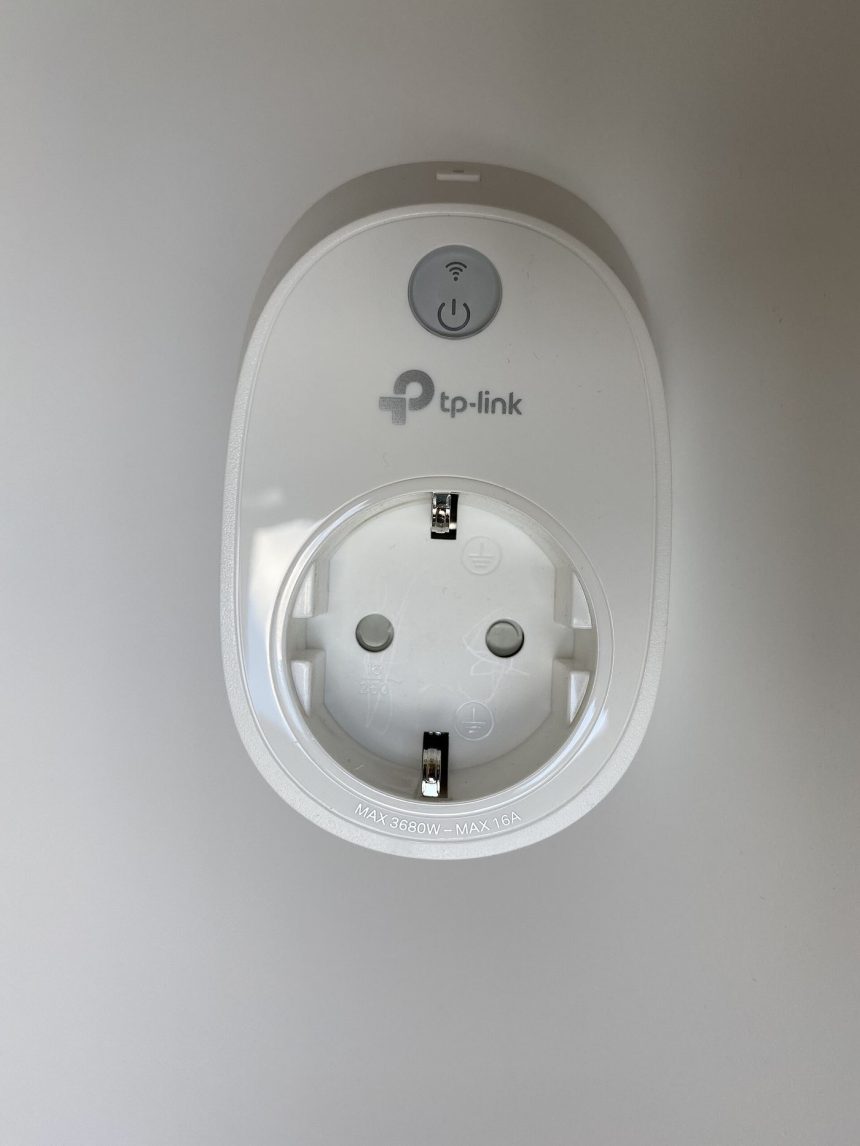
The smart home has spent a decade as a drawer of incompatible gadgets, each with its own app, hub and abandoned cloud service. That era is ending as a common connectivity standard, backed by the industry’s biggest names, spreads through new devices. Lights, locks, thermostats and sensors built to the standard can join one network regardless of brand and be controlled together — a modest-sounding achievement that the industry failed to deliver for years of trying.
One Standard, Many Brands
For buyers, the practical effect is freedom from the ecosystem bet. A household can choose a lock for its build quality and a thermostat for its controls rather than for which voice assistant each happens to favour, and devices survive the shutdown of any single manufacturer’s cloud because the standard runs locally in the home. Retailers report the compatibility question — ‘will it work with what I have?’ — finally getting a simple answer, which is removing the hesitation that kept many households at one or two devices.
Local control carries a privacy dividend. Commands that once travelled to distant servers to turn on a light now stay inside the house, working even when the internet connection fails. Security researchers welcome the shift while warning that a connected home remains a collection of small computers: cameras and microphones demand the same scrutiny as any network device, including prompt updates, unique passwords and scepticism about bargain brands with unclear data practices. Further background is available in our tech coverage for readers following this story.
What Changes for Buyers
Energy management is emerging as the standard’s most valuable use. With devices able to share information, homes can shift water heating, car charging and laundry to cheaper, greener hours automatically, and respond to grid signals during peak demand. Trials suggest such coordination trims bills and carbon together, and utilities have begun offering tariffs that assume a home can flex — a market barely imaginable when every device lived in its own silo.
The transition is not seamless. Older devices need bridges, some features remain locked inside manufacturers’ own apps and the standard’s rollout has had its share of flaky firmware. Reviewers advise buying certified devices from firms with a record of updates, and keeping expectations calibrated: the home that runs itself entirely remains a demonstration, not a product. What exists now is better described as a home that finally cooperates. Additional reporting from The Verge Smart Home provides further detail on the background.
Privacy Moves to the Forefront
Stepping back, the episode carries a lesson the technology industry relearns periodically. Interoperability looks unglamorous beside launch events, but it is what turns gadgets into infrastructure. Email and the web became universal because strangers’ systems could talk to each other; the connected home is now undergoing the same conversion, one certified light switch at a time, and households are the beneficiaries. Stakeholders across the sector are watching closely, since the outcome will shape planning and investment decisions well into next year.