

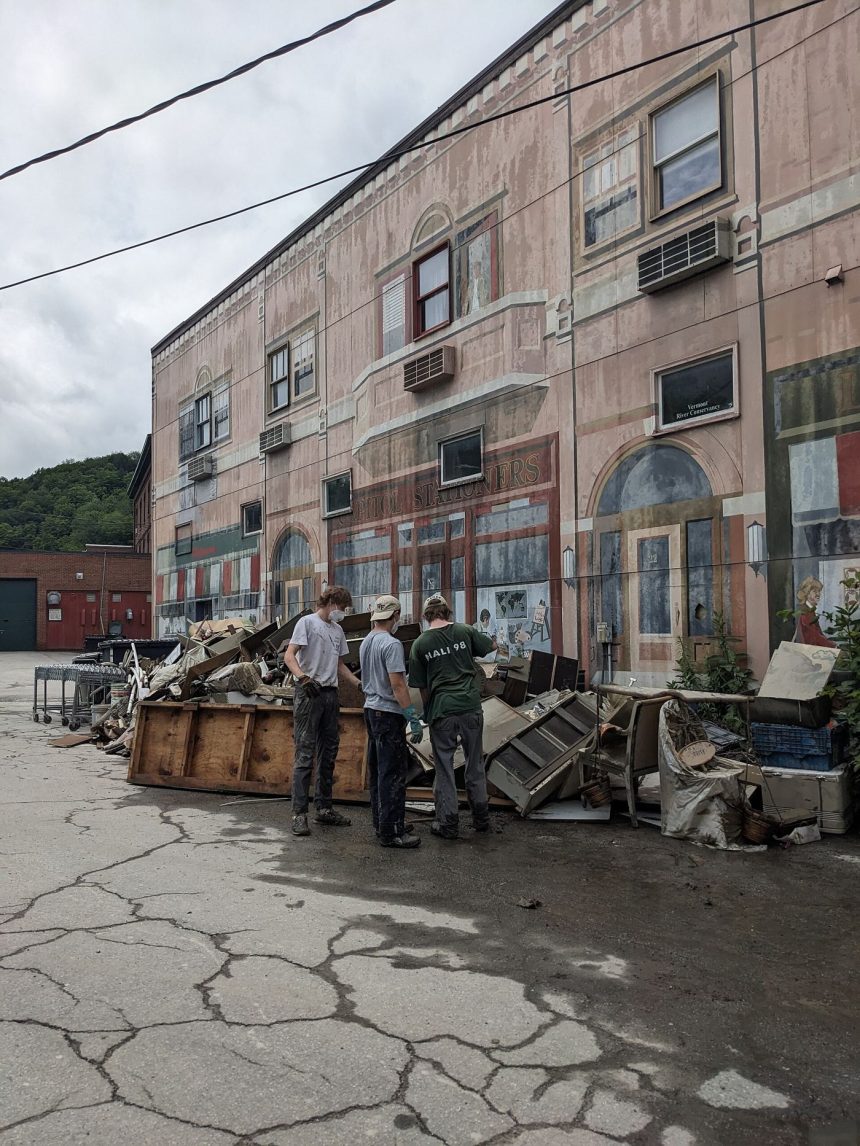
Cleanup crews worked through the day to clear mud, branches, and damaged household items from streets affected by recent flooding, as more residents were allowed to return and assess their homes. Council teams prioritised roads near schools, clinics, and bus routes, while utility workers checked drains and restored power to isolated pockets where it was safe to do so. Local charities set up collection points for cleaning supplies, bottled water, and replacement bedding. Officials urged people to photograph damage for insurance records, avoid standing water where possible, and report blocked drains promptly so follow up teams could respond before the next period of unsettled weather arrived.
What the Evidence Shows
By late afternoon, several main roads had reopened, although smaller residential streets remained closed while pumps and inspection teams finished their work. Community centres offered charging points, hot drinks, and advice sessions on mould prevention and safe food storage after a power cut. Business owners in the affected area said foot traffic was slowly returning, but many faced a costly clean up and lost stock. The council said waste collections would run extra rounds over the coming week and that a recovery fund application process would be explained in plain language at libraries and online, with support for residents who need help completing the forms. Reporting and analysis from sources such as BBC News track the same developments, and specialists following flooded street cleanup operation say the direction is now consistent across independent lines of evidence.
The Wider Context
The wider context is a public conversation conducted at a speed institutions were not built for. Developments around flooded street cleanup operation are announced, contested and revised within a single news cycle, and the officials involved have learned to publish evidence alongside claims so that scrutiny can actually occur. Trust, the polling suggests, follows that transparency more than it follows confidence.
What Happens Next
What happens next in the story of flooded street cleanup operation will be decided in the places where it is being implemented, measured and argued about in public. The officials and organisations involved have committed to publishing progress data, and that commitment gives residents, businesses and journalists something firmer than promises to judge. The next milestones are dated, which means they can be checked. You can follow related developments in our coverage of news.
None of this will be settled by a single announcement, study or product launch. The pattern to watch is accumulation: independent confirmations, honest reporting of failures and steady improvement in the underlying numbers. Readers who follow those signals, rather than the loudest claim of the week, will understand this subject better than most of the commentary surrounding it suggests is possible.
There is a practical lesson in all of this for readers deciding what to do today. Start with the verified facts, be wary of anyone promising certainty, and prefer reversible steps while the evidence is still developing. Circumstances differ by country, income and personal situation, so general guidance should always be weighed against your own context before you act on it in any significant or lasting way.