

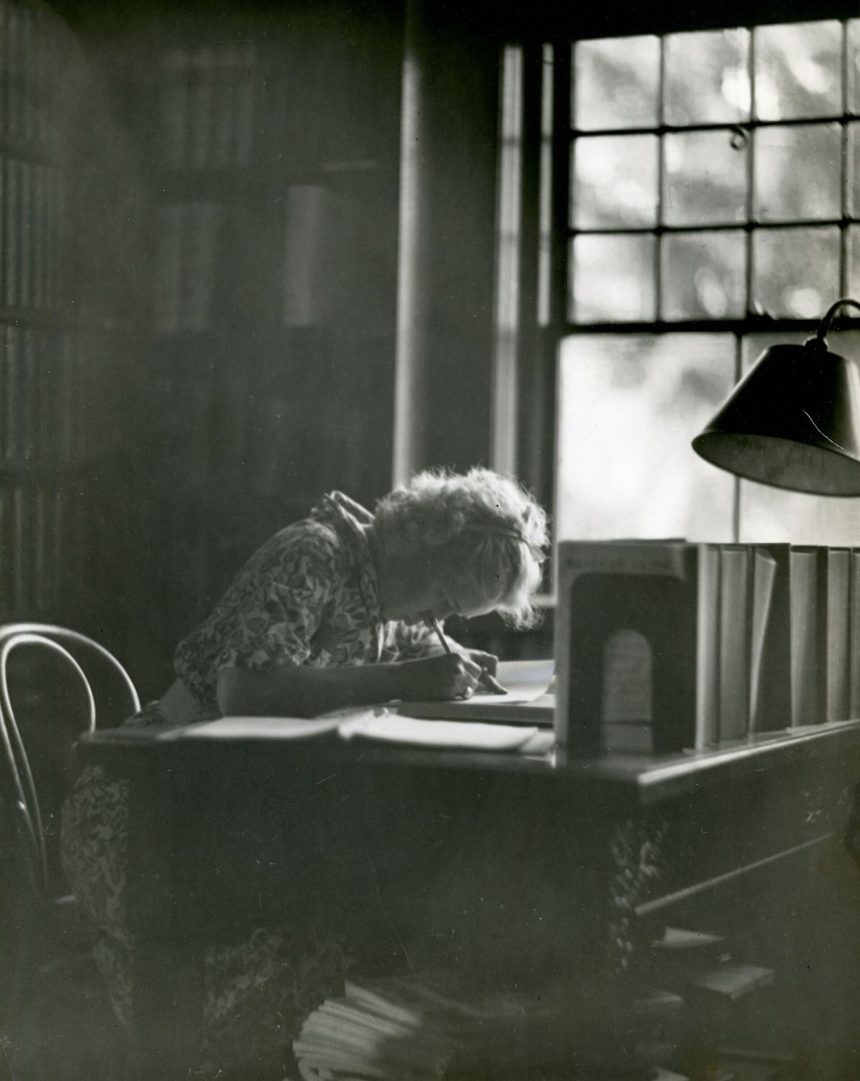
Students who write their own flashcards often remember more than those who download ready-made decks, learning researchers and experienced teachers say. Deciding what deserves a card forces learners to summarise ideas in their own words and spot gaps in understanding early. The cards then become prompts for active recall, which is far more demanding than rereading highlighted notes at a desk especially at the start of a course, before gaps widen and revision becomes a last-minute emergency before examinations.
What the Evidence Shows
Effective cards ask one clear question, keep answers short and mix older topics into new sessions so knowledge is retrieved repeatedly over time. Learners are encouraged to say answers aloud or write them before flipping a card, making guessing visible rather than comfortable. Decks should be revised ruthlessly, removing mastered cards and rewriting confusing ones, so study time concentrates where memory is weakest and to combine flashcards with past questions, discussion and feedback, so recall is tested in different useful ways. Reporting and analysis from sources such as American Psychological Association track the same developments, and specialists following handmade flashcards for active recall say the direction is now consistent across independent lines of evidence.
The Wider Context
The wider context is a discipline rebuilding confidence through replication and pre-registration, and findings on handmade flashcards for active recall are being reported with their effect sizes and limits attached. That honesty can make results sound smaller than the headlines of a decade ago, but the effects that survive are the ones practitioners can responsibly build on.
What Happens Next
What happens next in research on handmade flashcards for active recall is a turn toward real-world trials: longer, larger and conducted in the schools, workplaces and clinics where the findings are meant to apply. Psychologists are also studying individual differences more seriously, because average effects conceal the people for whom an approach works powerfully and those it leaves cold. Both shifts make the science slower and more useful. You can follow related developments in our coverage of psychology.
There is a practical lesson in all of this for readers deciding what to do today. Start with the verified facts, be wary of anyone promising certainty, and prefer reversible steps while the evidence is still developing. Circumstances differ by country, income and personal situation, so general guidance should always be weighed against your own context before you act on it in any significant or lasting way.
It is also worth remembering how quickly the picture in this area has changed before. Positions that looked settled a few years ago have been revised as new data arrived, and the same humility is appropriate now. The strongest coverage of this subject, and the most useful advice, tends to come from sources that update their views openly when the facts move, rather than defending an earlier position long after it has stopped fitting the evidence available.