

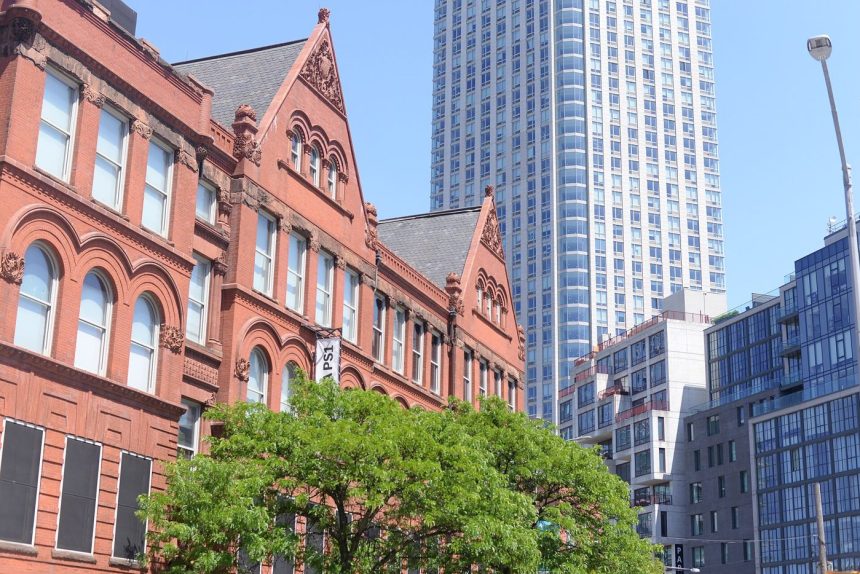
The first residents have begun moving into a group of new apartment blocks in the city centre, where developers say energy-saving design was treated as a priority from the earliest drawings rather than an added extra. The buildings use thick insulation, triple-glazed windows and air-source heat pumps, and each flat has ventilation that recovers warmth from outgoing air. Rooftop solar panels feed communal areas, while shaded balconies are designed to keep living rooms cooler during hot spells without air conditioning. Housing officials who toured the finished homes said the project shows that city-centre living and lower running costs can be combined, at a time when energy bills remain a major concern for renters. The development also includes secure cycle storage, a shared courtyard garden and a small work hub for residents who work from home. Local councillors described the opening as a milestone in efforts to bring more people back into living in the centre, supporting shops and public transport.
What the Evidence Shows
Energy performance will be monitored during the first year, with residents invited to share anonymised data on heating use so designers can compare real results with their predictions. Similar monitoring on earlier schemes found that how people use systems matters almost as much as the technology itself, so new tenants receive a simple guide to ventilation, heating controls and drying clothes without tipping moisture into the air. The blocks include a mix of one, two and three bedroom homes, with a proportion offered at below-market rents through the city’s housing partnership. Demand for viewings has been strong, particularly from younger workers who want to walk to work and from older residents downsizing from houses in the suburbs. Critics of city-centre building continue to raise questions about daylight, open space and the height of new blocks, and planners say lessons from this scheme will feed into rules for future developments. Further phases on nearby sites are already being discussed, subject to the same design standards. Reporting and analysis from sources such as BBC News track the same developments, and specialists following energy-saving apartment blocks opening in city centre say the direction is now consistent across independent lines of evidence.
The Wider Context
The wider context is a public conversation conducted at a speed institutions were not built for. Developments around energy-saving apartment blocks opening in city centre are announced, contested and revised within a single news cycle, and the officials involved have learned to publish evidence alongside claims so that scrutiny can actually occur. Trust, the polling suggests, follows that transparency more than it follows confidence.
What Happens Next
What happens next in the story of energy-saving apartment blocks opening in city centre will be decided in the places where it is being implemented, measured and argued about in public. The officials and organisations involved have committed to publishing progress data, and that commitment gives residents, businesses and journalists something firmer than promises to judge. The next milestones are dated, which means they can be checked. You can follow related developments in our coverage of news.
None of this will be settled by a single announcement, study or product launch. The pattern to watch is accumulation: independent confirmations, honest reporting of failures and steady improvement in the underlying numbers. Readers who follow those signals, rather than the loudest claim of the week, will understand this subject better than most of the commentary surrounding it suggests is possible.