
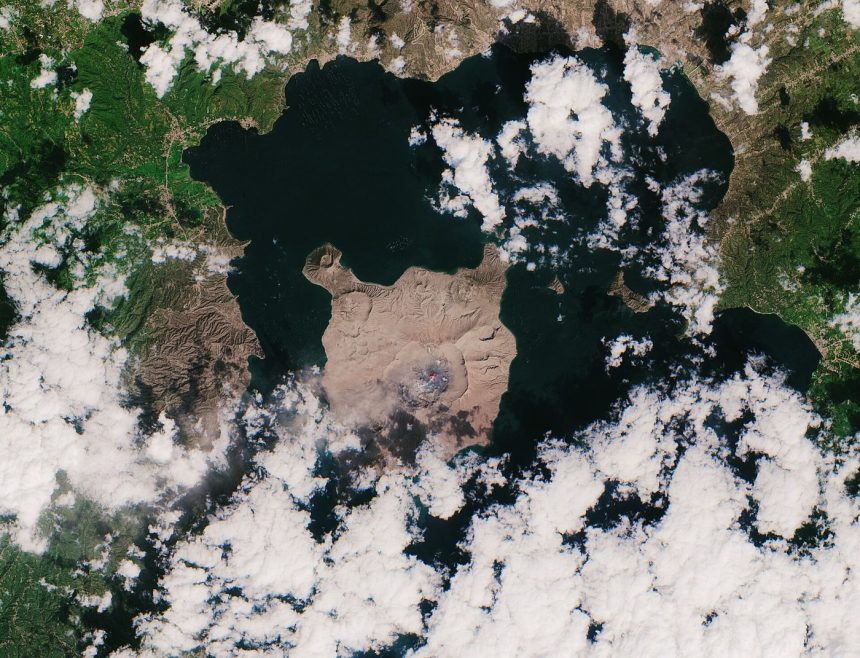
Island volcanoes often release ash in rhythmic pulses rather than a steady plume, and researchers have shown that the timing of those pulses reveals how magma is moving and fracturing rock beneath the surface. Each pulse begins with a small explosion as pressurised gas escapes through the vent, throwing ash and fragments upward before the column briefly subsides. Instruments measuring ground deformation, gas composition and infrasound can detect patterns in the sequence that change hours or days before a larger eruption. When pulses quicken and merge, it may signal that magma is rising into shallower chambers and breaking the rock that seals it. When they slow and separate, the system may be releasing pressure safely, a distinction of obvious importance to nearby communities. Island volcanoes pose particular challenges because their flanks continue beneath the sea, where collapses can generate tsunamis with little warning. Monitoring therefore combines land stations with seafloor pressure sensors and satellite measurements of ash and ground movement. Ash samples collected after each pulse act like progress reports from the magma itself, since their chemistry and texture record depth and journey time. Volcanologists compare the pulse records of many island systems to find which patterns reliably precede dangerous escalation.
What the Evidence Shows
Aviation safety depends heavily on this research, because volcanic ash clouds drifting from island eruptions can cross busy flight routes far from the source. Better pulse interpretation helps forecasters judge whether an eruption is intensifying or settling, refining the warnings that airlines use to reroute aircraft. Local observatories share their data openly during crises, allowing specialists worldwide to assist with modelling at any hour. Community preparedness improves alongside the science, with evacuation drills timed to realistic scenarios drawn from recorded pulse sequences. Scientists are candid that prediction will never become exact, because volcanic systems are chaotic and each edifice has its own plumbing. The goal is probabilistic honesty, stating clearly how likely escalation appears and what evidence would change that judgement. New machine learning tools help sort the flood of sensor data, but experienced volcanologists insist algorithms must remain explainable to the officials who act on them. Drones now sample gas directly above active vents, sparing pilots the most dangerous survey flights of earlier decades. Through all the technology, the central insight stays simple, in that a volcano communicates constantly through its rhythms, and careful listening turns frightening noise into usable warning. Reporting and analysis from sources such as National Science Foundation track the same developments, and specialists following pulsed volcanic ash venting say the direction is now consistent across independent lines of evidence.
The Wider Context
The wider context is a research landscape in which replication and open data now decide reputations. Findings connected to pulsed volcanic ash venting are being checked by independent groups with shared datasets, and the teams involved publish their methods in full so rivals can test every step. That discipline is slower than a headline cycle, but it is why results in this area increasingly survive first contact with scrutiny.
What Happens Next
What happens next in the story of pulsed volcanic ash venting will be decided by follow-up work already under way: larger samples, longer observation and instruments that have not yet come online. The researchers involved are unusually united on one point, that the current results justify the next investment of time and money. Readers will not have to wait long for the first tests of that claim. You can follow related developments in our coverage of science.
There is a practical lesson in all of this for readers deciding what to do today. Start with the verified facts, be wary of anyone promising certainty, and prefer reversible steps while the evidence is still developing. Circumstances differ by country, income and personal situation, so general guidance should always be weighed against your own context before you act on it in any significant or lasting way.