

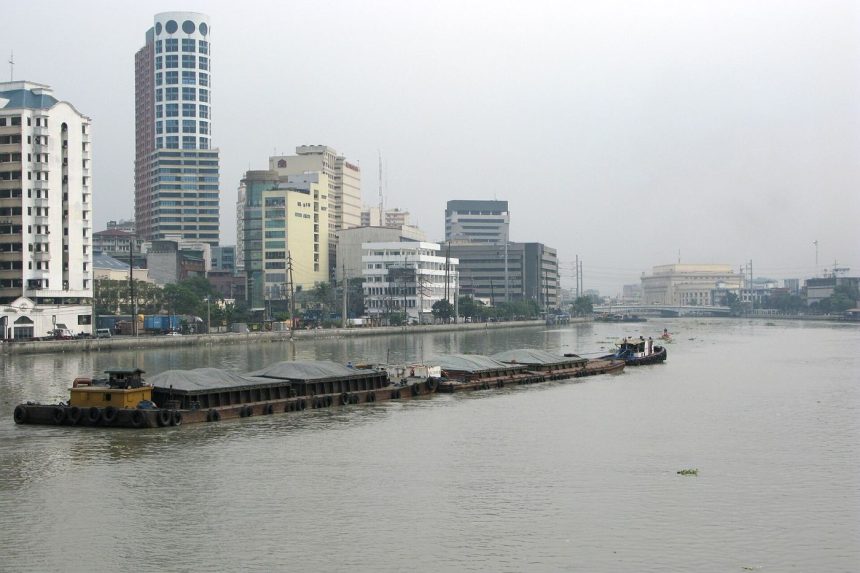
The 49th ASEAN Summit closed in Manila on 17 November 2026 with a landmark digital trade agreement but no deal on the South China Sea, the hardest problem facing the ten-member bloc. Leaders signed the ASEAN Digital Economy Framework Agreement, setting common rules for digital trade, electronic payments and data protection, and concluded a free trade agreement with Canada on 15 November. All 11 members also signed an enhanced agreement on the ASEAN Power Grid, and President Ferdinand Marcos Jr announced that a proposed undersea power cable linking Sabah in Malaysia with Mindanao in the Philippines would move into implementation. The summit produced more than 150 outcome documents across three days of meetings, and Marcos handed the rotating chairmanship to Singapore’s Prime Minister Lawrence Wong at the closing ceremony. The Philippines chaired the grouping for the year under the theme of navigating the future together.
What the Evidence Shows
The unfinished business was the long-delayed code of conduct for the South China Sea, which ASEAN and China have negotiated for more than two decades. Marcos estimated the talks were 85 to 90 per cent complete, though Foreign Secretary Theresa Lazaro put the figure at 77 per cent, and the remaining disputes over definitions and whether the code will be legally binding will pass to Singapore’s chairmanship in 2027. Leaders also adopted a revised, phased approach to the Five-Point Consensus on Myanmar, where civil war continues. US President Donald Trump attended the final day, joining a Quad meeting with India, Japan and Australia, before flying on to Shenzhen for the APEC summit. The summit also advanced a new ASEAN Maritime Centre to be based in the Philippines, a declaration on artificial intelligence for small businesses, and a semiconductor roadmap, while leaders reviewed the Five-Point Consensus on Myanmar and agreed a phased, progress-based approach to engagement. Reporting and analysis from sources such as BBC News track the same developments, and specialists following the 49th ASEAN Summit in Manila say the direction is now consistent across independent lines of evidence.
The Wider Context
The wider context is a public conversation conducted at a speed institutions were not built for. Developments around the 49th ASEAN Summit in Manila are announced, contested and revised within a single news cycle, and the officials involved have learned to publish evidence alongside claims so that scrutiny can actually occur. Trust, the polling suggests, follows that transparency more than it follows confidence.
What Happens Next
What happens next in the story of the 49th ASEAN Summit in Manila will be decided in the places where it is being implemented, measured and argued about in public. The officials and organisations involved have committed to publishing progress data, and that commitment gives residents, businesses and journalists something firmer than promises to judge. The next milestones are dated, which means they can be checked. You can follow related developments in our coverage of news.
None of this will be settled by a single announcement, study or product launch. The pattern to watch is accumulation: independent confirmations, honest reporting of failures and steady improvement in the underlying numbers. Readers who follow those signals, rather than the loudest claim of the week, will understand this subject better than most of the commentary surrounding it suggests is possible.