
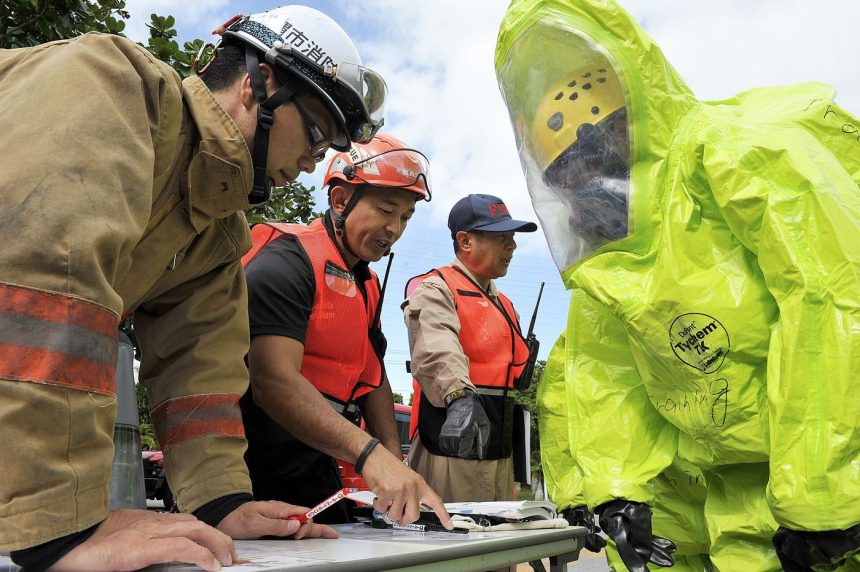
Fire crews from stations across the city took part in a large scale training drill designed to test how teams respond when an incident unfolds in a crowded, complex urban setting. The exercise brought together firefighters, control room staff, and partner agencies in a coordinated scenario involving evacuation, casualty care, and communication between multiple crews arriving at different times. Senior officers said regular drills in realistic conditions help identify small problems with equipment, radio coverage, or access routes before they matter in a genuine emergency. Parts of the training area were cordoned off, with residents informed in advance so the presence of appliances, ladders, and simulated smoke would not cause alarm. Trainees practised searching buildings systematically, maintaining breathing apparatus procedures, and handing over clear information as responsibility passed between teams. Observers from neighbouring services attended to compare approaches and share lessons, part of a wider effort to keep training consistent across regions that often support each other during major incidents. Organisers said the atmosphere was focused but constructive, with crews welcoming the chance to practise skills that are difficult to rehearse during ordinary shifts.
What the Evidence Shows
After the main scenario, instructors led detailed debriefs examining decision making, timing, and how well crews adapted when the exercise introduced unexpected complications such as a blocked entrance and a change in wind direction. Training leads said those moments are among the most valuable, because real incidents rarely follow a simple script and teams must revise plans while keeping clear records of what has been checked. The service also used the day to test newer equipment under controlled conditions, gathering feedback from the firefighters who would rely on it operationally. Public information officers reminded households that the same principles practised in the drill apply at home, including working smoke alarms, clear escape routes, and closing doors at night to slow the spread of fire and smoke. Recruitment staff were present to speak with spectators who had expressed interest in joining, highlighting roles both on appliances and in control rooms and support services. A summary of lessons from the exercise will be shared across stations in the coming weeks. Reporting and analysis from sources such as BBC News track the same developments, and specialists following the citywide fire training drill say the direction is now consistent across independent lines of evidence.
The Wider Context
The wider context is a public conversation conducted at a speed institutions were not built for. Developments around the citywide fire training drill are announced, contested and revised within a single news cycle, and the officials involved have learned to publish evidence alongside claims so that scrutiny can actually occur. Trust, the polling suggests, follows that transparency more than it follows confidence.
What Happens Next
What happens next in the story of the citywide fire training drill will be decided in the places where it is being implemented, measured and argued about in public. The officials and organisations involved have committed to publishing progress data, and that commitment gives residents, businesses and journalists something firmer than promises to judge. The next milestones are dated, which means they can be checked. You can follow related developments in our coverage of news.
None of this will be settled by a single announcement, study or product launch. The pattern to watch is accumulation: independent confirmations, honest reporting of failures and steady improvement in the underlying numbers. Readers who follow those signals, rather than the loudest claim of the week, will understand this subject better than most of the commentary surrounding it suggests is possible.